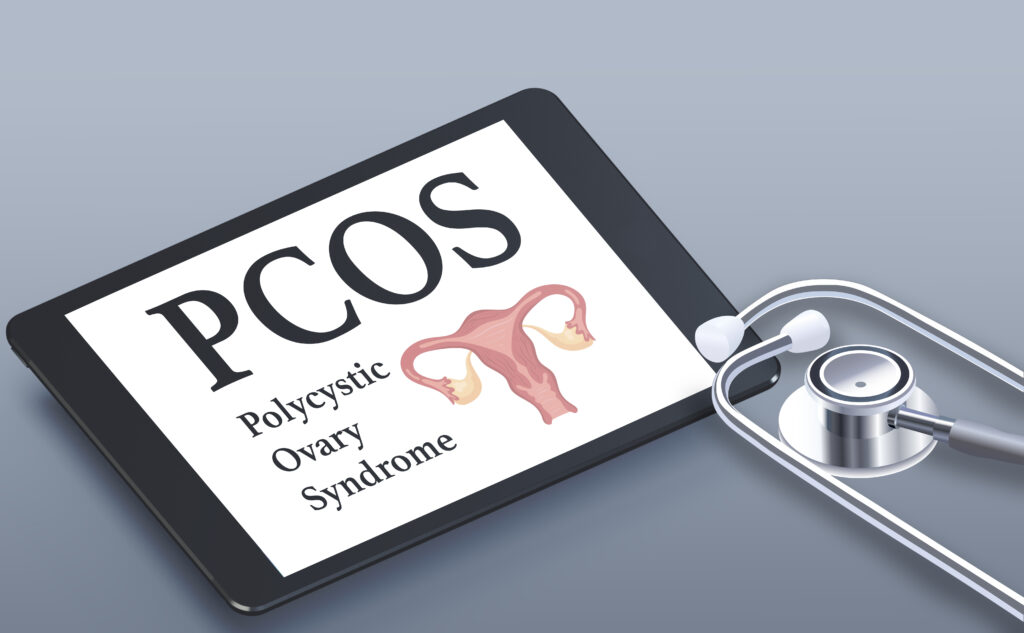
What is PCOS?
Polycystic Ovary Syndrome, or PCOS, is a common health problem. It affects women of childbearing age. In this PCOS overview, you will learn that PCOS causes hormone changes. These changes can lead to irregular periods, cysts in the ovaries, and other symptoms. According to the Centers for Disease Control and Prevention (CDC), PCOS affects up to 1 in 10 women. Because it can impact fertility and long-term health, understanding PCOS is important.
Common Symptoms of PCOS
Many women with PCOS notice symptoms in their teens or early twenties. However, symptoms can vary. For example, some women may have mild signs, while others have more severe issues. Common PCOS symptoms include:
Not every woman will have all these symptoms. Still, if you notice several signs, it is wise to talk to your doctor.
Causes and Risk Factors
Doctors do not know the exact cause of PCOS. However, several factors may play a role. For instance, genetics can increase your risk. If your mother or sister has PCOS, you are more likely to develop it. In addition, high levels of androgens (male hormones) can disrupt the normal function of the ovaries. Insulin resistance is another key factor. When the body does not use insulin well, blood sugar rises. This can lead to more androgen production and PCOS symptoms. Obesity can make these problems worse, but even women of normal weight can have PCOS.
How PCOS is Diagnosed
Doctors use several steps to diagnose PCOS. First, they ask about your symptoms and medical history. Next, they may do a physical exam. Blood tests can check hormone levels and rule out other causes. An ultrasound may be used to look for cysts on the ovaries. However, not all women with PCOS have cysts. According to the World Health Organization (WHO), a diagnosis is made if you have at least two of these:
Because other conditions can look like PCOS, it is important to get a full checkup.
Treatment Options for PCOS
There is no cure for PCOS, but many treatment options can help manage symptoms. Your doctor will suggest a plan based on your needs. For example, if you want to get pregnant, certain medicines can help with ovulation. If you do not plan to have children soon, birth control pills can help regulate periods and lower androgen levels. Other PCOS treatment options include:
Sometimes, a combination of treatments works best. Your doctor will guide you on what is right for you.
Lifestyle Tips for Managing PCOS
Healthy habits can make a big difference for women with PCOS. Even small changes can help manage symptoms. Here are some tips:
Because everyone is different, it is helpful to work with a healthcare provider or dietitian for a plan that fits you.
Prevention and When to See a Doctor
Currently, there is no known way to prevent PCOS. However, healthy lifestyle choices may lower your risk or help manage symptoms. For example, staying active and eating well can support hormone balance. If you notice signs like irregular periods, extra hair growth, or trouble getting pregnant, see your doctor. Early diagnosis and treatment can help prevent long-term problems, such as diabetes or heart disease. Remember, regular checkups are important for your overall health.
In summary, PCOS is a common condition that affects many women. With the right care and support, you can manage symptoms and lead a healthy life. Consult Dr. Sandeep Raj Bharma for personalized advice on PCOS.