What is Postpartum Hypertension?
After childbirth, some women develop high blood pressure. This is called postpartum hypertension. It can happen even if you had normal blood pressure during pregnancy. In fact, postpartum hypertension means your blood pressure is higher than 140/90 mmHg after delivery. Sometimes, it starts within days. Other times, it may appear weeks later. Because high blood pressure after childbirth can be serious, it is important to know the signs. Managing postpartum hypertension early helps prevent problems. According to the CDC, this condition can affect your heart, kidneys, and brain if not treated.
Common Symptoms
Postpartum high blood pressure symptoms can be mild or severe. However, some women may not notice any signs. Therefore, regular blood pressure checks are important. Watch for these symptoms:
If you notice any of these, call your doctor right away. Early treatment can prevent complications.
Causes and Risk Factors
Several things can cause postpartum hypertension. Sometimes, it is linked to preeclampsia, a condition during pregnancy. However, it can also develop on its own after birth. Here are some common risk factors:
Even if you have no risk factors, postpartum hypertension can still occur. Therefore, regular check-ups are important for all new mothers.
How is Postpartum Hypertension Diagnosed?
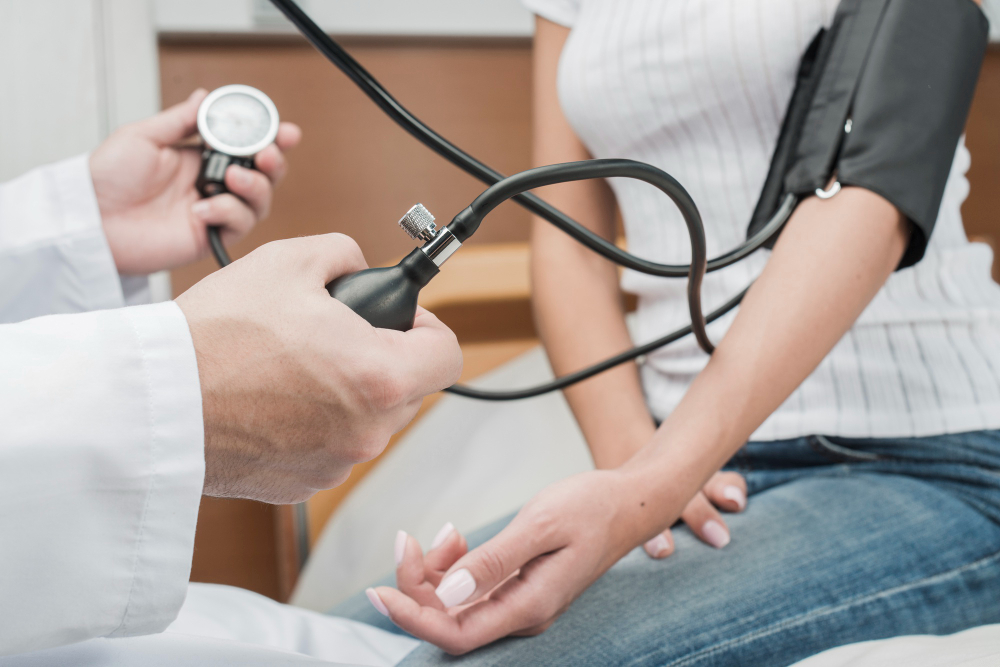
Doctors use simple tools to check for postpartum hypertension. First, they measure your blood pressure with a cuff. If your reading is high, they may repeat the test. Sometimes, they will ask about your symptoms. In addition, your doctor may order blood or urine tests. These tests help check for organ problems. Regular follow-up visits are key. Early diagnosis helps prevent serious health issues.
Treatment Options
Treating postpartum hypertension is important for your health. Your doctor may suggest:
Sometimes, you may need to stay in the hospital for close monitoring. However, most women can manage their blood pressure at home with the right care.
Lifestyle Tips and Prevention
There are steps you can take to lower your risk. For example, healthy habits before and after pregnancy help a lot. Try these tips:
Because prevention is better than cure, these steps can make a big difference.
When to Seek Medical Help
Sometimes, postpartum hypertension can become an emergency. Therefore, call your doctor or go to the hospital if you have:
Quick action can save your life. Never ignore these warning signs.
In summary, postpartum hypertension is a serious but treatable condition. If you notice symptoms of postpartum hypertension, consult Dr. Sandeep Raj Bharma for personalized advice. Book your consultation today!