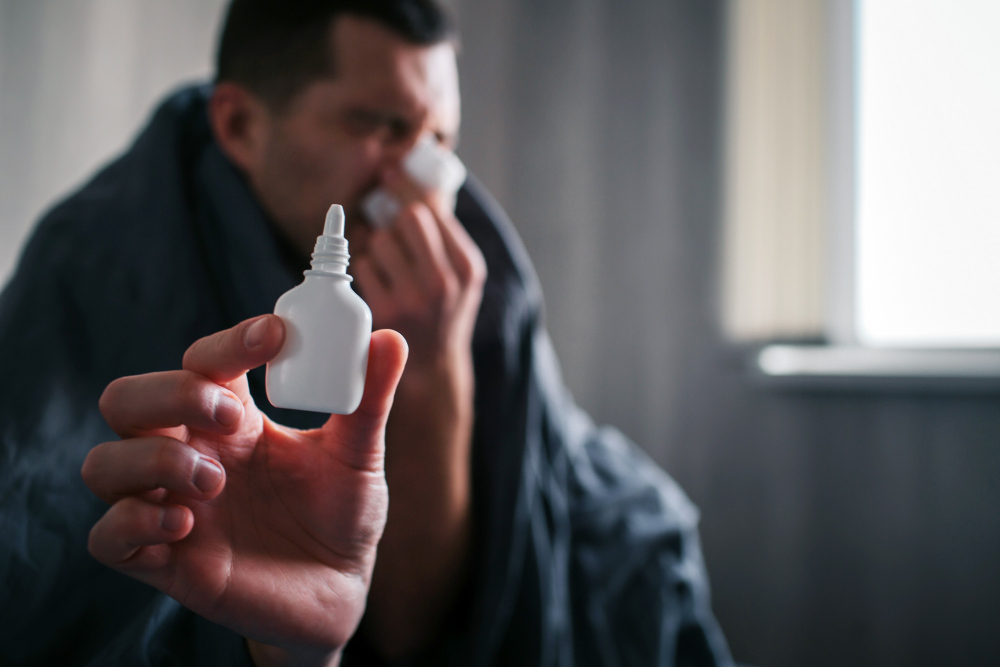
What is Nasal Spray Congestion?
Nasal spray congestion happens when your nose feels blocked after using nasal sprays for too long. Many people use these sprays to clear a stuffy nose. However, using them too often can lead to a problem called rebound congestion. This means your nose gets stuffy again, even worse than before. The term “nasal spray congestion” describes this cycle of overuse and worsening symptoms. Because of this, it is important to understand how nasal sprays work and how to use them safely.
Causes of Overuse and Rebound Congestion
At first, nasal sprays can quickly relieve a blocked nose. But, if you use them for more than three days in a row, your nose may become dependent. This is called nasal spray overuse. Over time, your nose may need more spray to feel clear. As a result, you may use the spray more often. This leads to rebound congestion, where your nose feels stuffy again soon after the spray wears off. According to the CDC, this cycle is common with decongestant nasal sprays.
Because of these risks, always follow the directions on the label or from your doctor.
Symptoms and Warning Signs
Sometimes, it can be hard to tell if you have rebound congestion. However, there are clear warning signs to watch for. For example, you may notice your nose feels blocked again soon after using the spray. You might also feel you need to use the spray more often. Over time, your nose may stay stuffy even when you are not sick. Other symptoms include:
If you notice these signs, it may be time to seek help.
Diagnosis and When to Seek Help
Because rebound congestion can feel like a regular cold, it is easy to miss. However, if your stuffy nose lasts more than a week or gets worse with nasal spray use, talk to a healthcare provider. They may ask about your symptoms and how often you use nasal sprays. Sometimes, they will check your nose for swelling or irritation. Early diagnosis can help you stop the cycle and find better relief. If you have trouble breathing, nosebleeds, or pain, seek help right away.
Treatment Options and Recovery
To treat nasal spray overuse, you usually need to stop using the spray. At first, your nose may feel even more blocked. However, this is normal and will improve with time. Your doctor may suggest other treatments, such as:
Most people recover within one to two weeks. But, if symptoms last longer, follow up with your doctor for more help.
Prevention Tips and Safe Use of Nasal Sprays
To avoid rebound congestion, use nasal sprays only as directed. Here are some tips for safe nasal spray use:
Because climate can affect nasal health, people in dry or cold areas should use a humidifier and drink plenty of water. This helps keep nasal passages moist and healthy.
Lifestyle Guidance for Nasal Health
Healthy habits can support your nose and reduce the need for sprays. For example, you can:
Because prevention is key, these steps can help you breathe easier and avoid nasal spray addiction.
In summary, nasal spray congestion is a common problem caused by overuse and rebound congestion. Safe nasal spray use and healthy habits can help you avoid this cycle. Consult Dr. Sandeep Raj Bharma for personalized advice on nasal spray use and congestion relief.