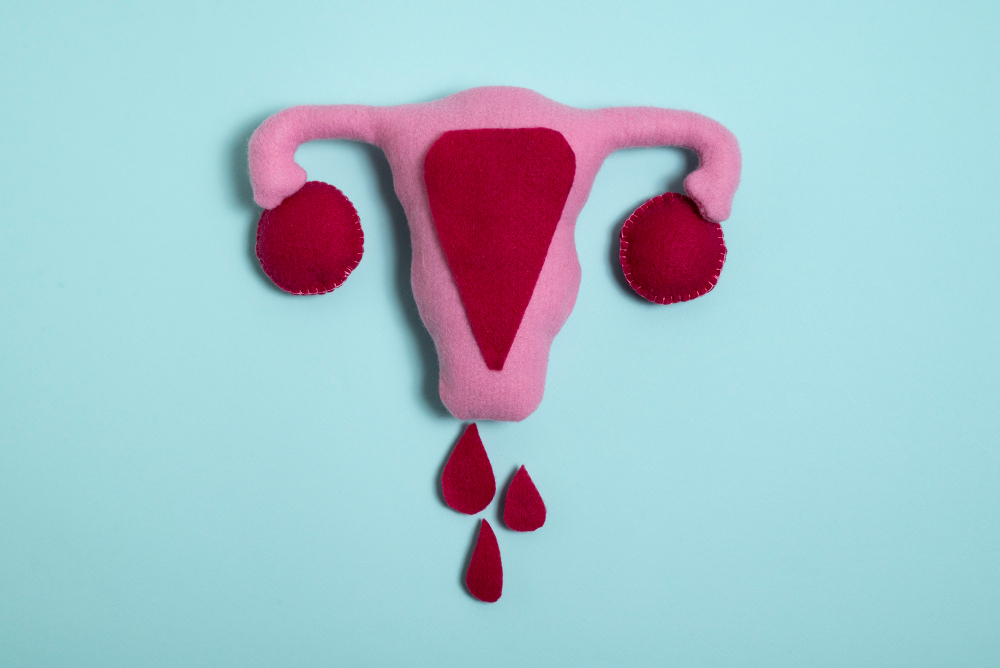
What is Abnormal Uterine Bleeding?
Abnormal uterine bleeding means any bleeding from the uterus that is not part of a regular period. This can include bleeding between periods, very heavy periods, or periods that last longer than usual. Many women experience this at some point in their lives. In fact, according to the World Health Organization, abnormal uterine bleeding is a common reason women visit their doctor. While it can be worrying, understanding the causes and treatments can help you manage it better.
Common Symptoms
Abnormal uterine bleeding can show up in different ways. For example, you might notice:
Sometimes, you may also feel tired or weak. This can happen if you lose a lot of blood. If you notice any of these symptoms, it is important to pay attention and track your cycle.
Main Causes
There are many reasons for abnormal uterine bleeding. Some causes are simple, while others may need medical care. Common causes include:
Sometimes, stress or sudden weight changes can also affect your periods. However, it is best to talk to a doctor to find the exact cause.
How is Abnormal Uterine Bleeding Diagnosed?
Doctors use several steps to find out why you have abnormal uterine bleeding. First, they will ask about your medical history and period patterns. Next, they may do a physical exam. Often, your doctor will suggest tests such as:
With these tests, your doctor can find the cause and suggest the best treatment. If you live in a rural area, you may need to travel to a larger clinic for some tests.
Treatment Options
Treatment for abnormal uterine bleeding depends on the cause and your health. Some common treatments include:
For many women, simple changes or medicines can help. However, your doctor will help you choose the safest option.
Lifestyle Tips and Prevention
While you cannot always prevent abnormal uterine bleeding, some steps may help. For example:
Additionally, avoid skipping prescribed medicines. If you notice changes in your cycle, write them down to share with your doctor.
When to See a Doctor
It is important to know when to seek medical help. You should see a doctor if you:
Early care can help prevent complications and give you peace of mind. Remember, you are not alone, and many women face similar issues.
If you experience abnormal uterine bleeding, consult Sandeep Raj Bharma for personalized guidance.