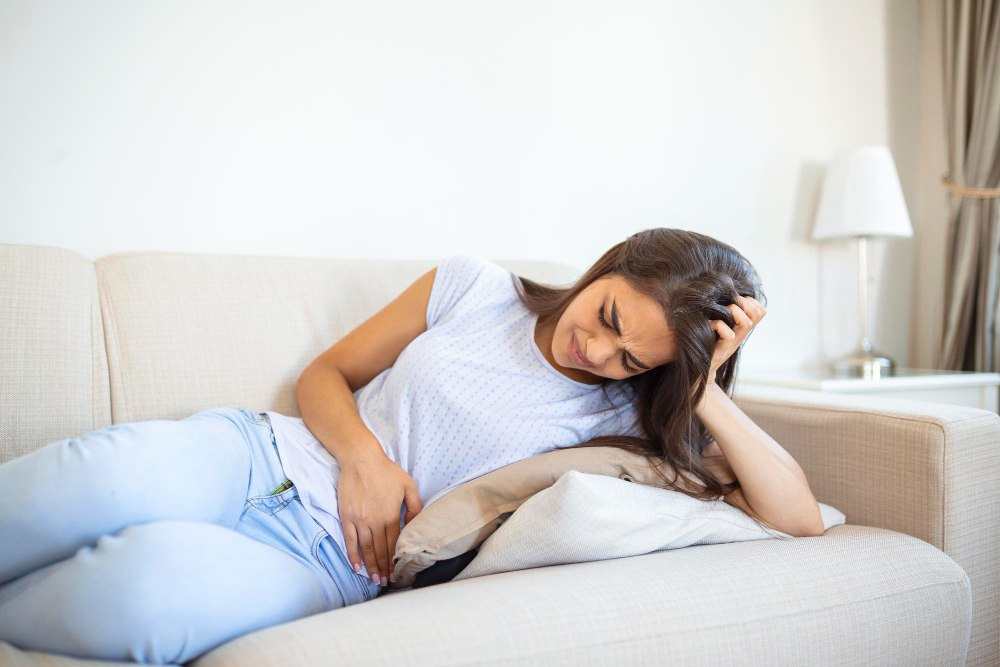
Endometriosis is a common women’s health condition. It happens when tissue like the lining of the uterus grows outside the womb. This can cause pelvic pain, heavy period pain, and sometimes fertility issues. Although it affects millions of women worldwide, many people do not know much about it. Understanding endometriosis can help you spot symptoms early and seek the right care.
What is Endometriosis?
Endometriosis means tissue similar to the lining inside the uterus grows in other places. For example, it can grow on the ovaries, fallopian tubes, or even the bladder. Because of this, the tissue reacts to monthly hormone changes. However, it cannot leave the body during periods. As a result, this leads to pain, swelling, and sometimes scar tissue. Over time, endometriosis can affect daily life and even cause fertility problems.
Common Symptoms of Endometriosis
Many women with endometriosis have symptoms, but some may not notice any signs at first. Still, it helps to know what to look for. For instance, the most common symptoms include:
However, symptoms can vary from person to person. Sometimes, the amount of tissue does not match the level of pain. Therefore, it is important to talk to a doctor if you notice any of these signs.
Causes and Risk Factors
Doctors do not know the exact cause of endometriosis. Still, several factors may raise your risk. For example, you may be more likely to get endometriosis if you:
Although these factors can increase risk, anyone with periods can develop endometriosis. According to the World Health Organization (WHO), about 10% of women of childbearing age may have this condition.
How is Endometriosis Diagnosed?
Doctors use several steps to diagnose endometriosis. First, they will ask about your symptoms and medical history. Next, they may do a pelvic exam to check for lumps or tender areas. However, endometriosis cannot always be seen during a regular exam. Because of this, doctors may order tests such as:
Early diagnosis can help manage symptoms and protect fertility. Therefore, do not delay seeing a doctor if you have ongoing pelvic pain or period pain.
Treatment Options for Endometriosis
Treatment for endometriosis depends on your symptoms, age, and plans for pregnancy. While there is no cure, many options can help manage pain and improve quality of life. Common treatments include:
Sometimes, a mix of treatments works best. For severe cases, doctors may suggest more advanced surgery. Always discuss your options with a gynecologist who understands endometriosis care.
Lifestyle Tips and Self-Care
Along with medical treatment, some lifestyle changes can help manage endometriosis symptoms. For example, you can try:
Although these tips may not cure endometriosis, they can make daily life easier. In addition, joining a support group can help you feel less alone.
Prevention and When to See a Doctor
Right now, there is no sure way to prevent endometriosis. However, early treatment can stop symptoms from getting worse. Therefore, see a doctor if you have:
Prompt care can help manage symptoms and protect your health. For those seeking endometriosis treatment in your area, many clinics offer expert care and support.
Consult a gynecologist for personalized advice on endometriosis.