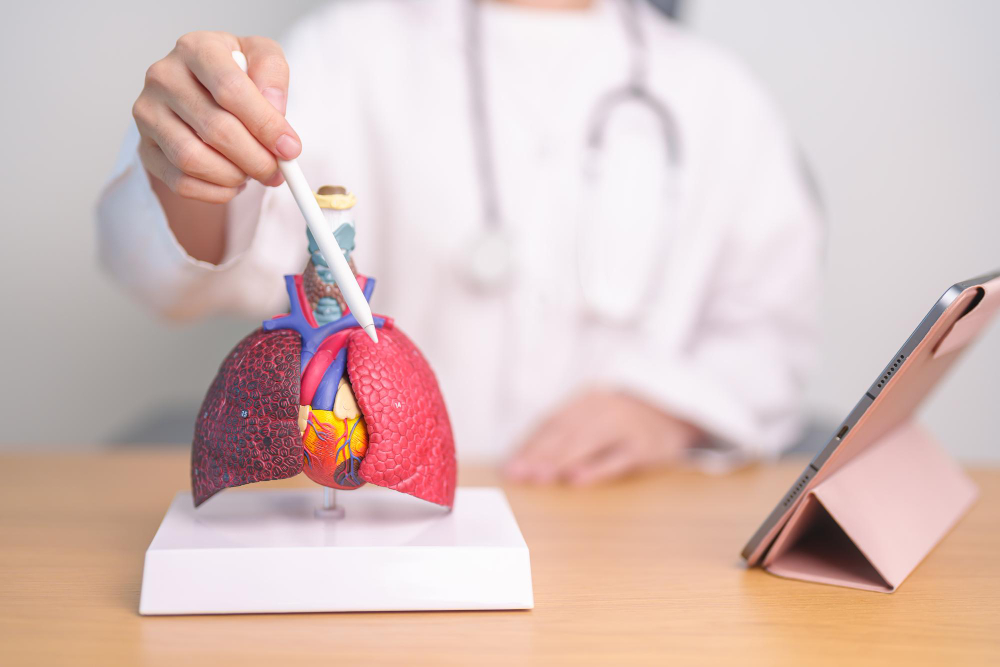
Introduction
Pulmonary fibrosis is a lung disease that causes scarring in the lungs. This scarring makes it hard for your lungs to work well. As a result, breathing becomes difficult over time. Many people with pulmonary fibrosis feel tired and short of breath. Because the disease can get worse, early detection is important. According to the American Lung Association, about 200,000 people in the United States live with this condition. Although there is no cure, treatment can help manage symptoms and improve quality of life.
Symptoms of Pulmonary Fibrosis
Symptoms of pulmonary fibrosis often develop slowly. However, they may get worse as time goes on. Early signs can be mild, so many people do not notice them right away. Still, knowing the symptoms can help you seek help sooner.
Because these symptoms can look like other lung problems, it is important to talk to a doctor if you notice them.
Causes and Risk Factors
Pulmonary fibrosis can have many causes. Sometimes, doctors cannot find a clear reason. In these cases, it is called idiopathic pulmonary fibrosis. However, several known factors can increase your risk.
Although not everyone with these risk factors will get pulmonary fibrosis, knowing them can help you stay alert to symptoms.
Diagnosis
Doctors use several steps to diagnose pulmonary fibrosis. First, they ask about your symptoms and medical history. Next, they may do a physical exam. Because other lung diseases can look similar, doctors often use tests to confirm the diagnosis.
With these tests, doctors can find out how much your lungs are affected and plan the best treatment.
Treatment Options
Although there is no cure for pulmonary fibrosis, treatment can help manage symptoms. Early treatment may slow the disease and improve your quality of life. Your doctor will suggest a plan based on your needs.
Because each person is different, your doctor will help you choose the best options.
Lifestyle and Self-Care Tips
Living with pulmonary fibrosis can be challenging. However, some lifestyle changes can help you feel better and stay active.
Because support from family and friends is important, do not hesitate to ask for help when you need it.
Prevention Strategies
While not all cases can be prevented, you can lower your risk. Taking steps to protect your lungs is key.
Because early action can make a difference, talk to your doctor about your risk factors.
When to See a Doctor
If you notice ongoing shortness of breath or a dry cough, see a doctor. Also, if you feel tired for no clear reason or lose weight without trying, get checked. Because early diagnosis helps, do not wait for symptoms to get worse. Your doctor can run tests and guide you on next steps.
Conclusion
Pulmonary fibrosis is a serious lung disease, but early care can help you manage it. Because treatment and lifestyle changes can improve your life, do not ignore symptoms. Consult Dr Sandeep Raj Bharma for personalized guidance and support. Your health is important, so take action today.