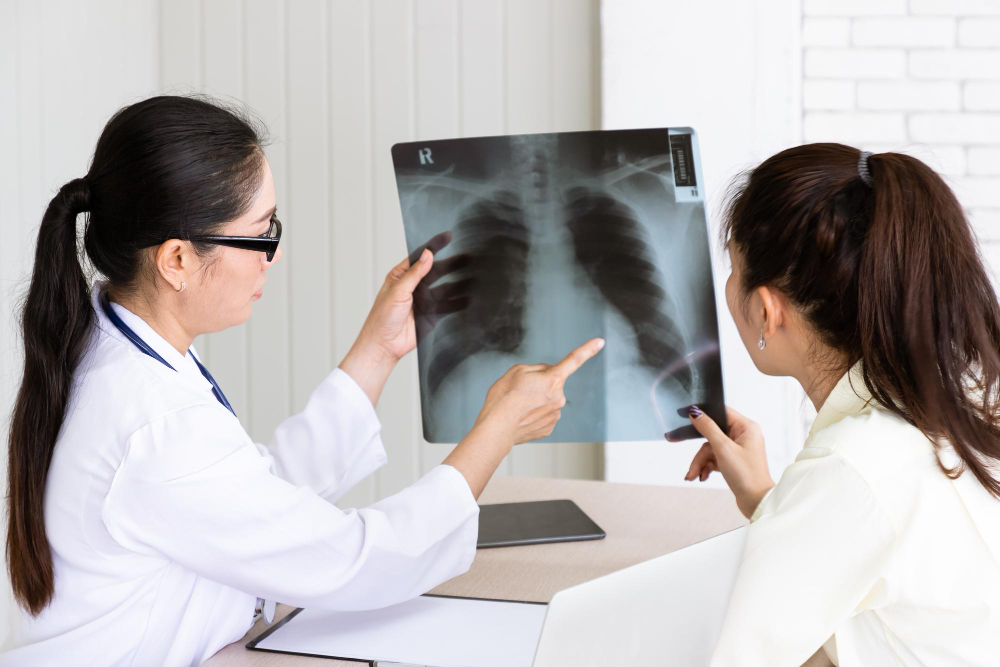
What is Tuberculosis?
Tuberculosis, often called TB, is a serious infection caused by bacteria. These bacteria usually attack the lungs, but they can affect other parts of the body too. Although TB can be dangerous, it is treatable and preventable. According to the World Health Organization (WHO), millions of people get tuberculosis each year. However, with early diagnosis and proper care, most people recover fully. Understanding tuberculosis is important for everyone, as it helps protect you and your loved ones.
Common Symptoms of Tuberculosis
Many people with tuberculosis do not notice symptoms at first. However, as the infection grows, signs become more clear. For example, you may notice:
Sometimes, tuberculosis affects other parts of the body, such as the kidneys or spine. In these cases, symptoms may be different. For instance, you might feel pain in your back or notice blood in your urine. If you have any of these signs, it is important to see a doctor soon.
Causes and Risk Factors
Tuberculosis spreads from person to person through the air. When someone with active TB coughs, sneezes, or speaks, tiny droplets with bacteria can enter the air. If you breathe in these droplets, you may get infected. However, not everyone who breathes in the bacteria will get sick right away. Some people have “latent TB,” meaning the bacteria are in their body but not causing illness.
Several factors can increase your risk of getting tuberculosis:
Because TB can spread easily in certain settings, it is important to know your risk and take steps to protect yourself.
How Tuberculosis is Diagnosed
Doctors use several tests to diagnose tuberculosis. First, they will ask about your symptoms and medical history. Next, they may do a physical exam. To confirm TB, doctors often use:
Sometimes, more tests are needed if TB is suspected in other parts of the body. Early diagnosis is key, as it helps prevent the spread of tuberculosis and allows for faster treatment.
Treatment Options for Tuberculosis
Tuberculosis can be cured with the right medicines. Doctors usually prescribe several antibiotics for at least six months. It is very important to take all your medicine, even if you start to feel better. Stopping treatment early can make the bacteria stronger and harder to kill.
Common medicines for TB include:
Sometimes, people need different medicines if the bacteria are resistant. This is called drug-resistant TB. In these cases, treatment may last longer and require special care. According to the Centers for Disease Control and Prevention (CDC), following your doctor’s instructions is the best way to recover and prevent spreading TB to others.
Prevention Tips and Lifestyle Guidance
Preventing tuberculosis is possible with a few simple steps. For instance, you can:
In some countries, a vaccine called BCG is given to help prevent severe TB in children. However, the vaccine does not protect everyone. Therefore, good hygiene and early treatment remain important. If you are at higher risk, talk to your doctor about regular screening and ways to stay healthy.
In summary, tuberculosis is a serious but treatable disease. Knowing the symptoms, causes, and prevention tips can help keep you and your community safe. Consult Dr. Sandeep Raj Bharma for personalized advice on Tuberculosis.